by Ben Catton
Montana is blessed with a globally rare ecosystem on public lands: Inland Temperate Rainforest. Despite being situated hundreds of miles from the ocean, sustained heavy snow and moisture foster ancient forests of western red cedar and hemlock in the Cabinet Mountains. It is important habitat to iconic, yet threatened, species such as grizzlies, wolverines, and bull trout.
The area is a sacred place to the Confederated Salish and Kootenai Tribes. The United States recognized the area’s intrinsic value by designating the Cabinet Mountains as a Primitive Area in 1935. It became one of the nation’s first wilderness areas in 1964 when the Wilderness Act was enacted. The area is renowned for its unique habitat and pristine waters. As the U.S. Forest Service states, “Past studies have rated this water among the top 5% purest water in the lower 48 states.” Its waters are designated as “Outstanding Resource Waters” in federal law, which codifies its value and the critical importance that it not be degraded.
Unfortunately, the wilderness also sits atop a large, potentially valuable ore body that mining corporations have pursued for decades. Recognition of these overlapping, distinctive, and delicate, ecosystem characteristics have prevented large-scale mining for decades. MEIC and our partners have stood up time and again to ensure that state and federal laws are upheld when mining corporations put forth deficient plans to extract ore from beneath this wilderness. The law is clear: for a project to be approved, it must demonstrate no significant impact to these irreplaceable resources.
But the mining corporations that hold rights to the minerals beneath the public lands seem to believe that “he who owns the gold makes the rules.” That attitude is more prevalent than ever in our federal government. Last year, Hecla Mining Co.’s “Libby Exploration Project” was granted FAST-41 designation by the Trump Administration — a signal of preferential status. The Forest Service approved Hecla’s plan of operations in October, in the midst of the government shutdown. Yet again, the mining plan and its environmental assessment (EA) are deficient and downplay the many obvious outsized impacts the mine threatens upon the landscape.
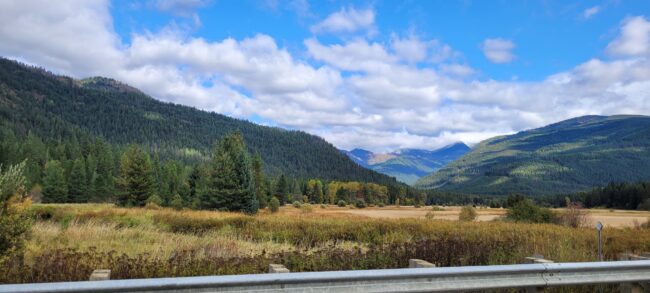
Photo of the Cabinets Wilderness by Katy Spence
It begs the questions: Does the public have to surrender and accept that it’s simply a matter of time before the wilderness is sacrificed to a mining corporation? What is the value of wilderness? Should the mineral rights beneath designated wilderness areas ever be permanently relinquished?
Hecla Mining Co. bought the rights to the ore body in 2016 for $30 million dollars. Recognizing that large-scale mining projects aren’t likely to pass muster underneath wilderness, Hecla has rebranded its pursuit of this ore body as a smaller “exploration project” in a clear effort to get a foot in the door, despite Hecla’s continued signals to investors that the end goals of large-scale mining remain the same.
MEIC and our partners strongly condemn the Forest Service’s “Finding of No Significant Impact.” Hecla’s proposal necessitates a more comprehensive Environmental Impact Statement. We will continue to oppose this defective decision that threatens one of the world’s rarest ecosystems.
This article was published in the March 2026 issue of Down To Earth.