by Ben Catton
In early October, in the midst of the government shutdown, the U.S. Forest Service (USFS) granted approval to Hecla’s Libby Exploration Project. This 16-year project consists of nearly a mile of tunneling and many thousands of feet of boreholes as well as hundreds of thousands of cubic yards of waste rock dumped at the surface.
Hecla has been pursuing this ore body for years. Although Hecla rebranded the project as an “exploration project” so it can get a foot in the door, its long-term objectives are the same. Hecla knows what minerals are there but is trying to minimize what is at stake: the mine is adjacent to one of the nation’s first wilderness areas and critical habitat for threatened grizzlies, wolverines, and bull trout. And while Hecla posits that the project’s impacts will be contained to the private tracts that are already developed, you don’t need to look hard to find examples of that being untrue at other mine sites in Montana. On top of that, Hecla has a long track record of making big claims that it can’t deliver on when it comes to worker safety, environmental protections, and preserving water quality and quantity.
This project could dewater lakes and streams in the Cabinets. Dewatering and impacts to wildlife were poorly addressed in the rushed and incomplete Environmental Assessment, and the objections raised by the public, Tribes, and MEIC and our partner conservation groups were dismissed. USFS should conduct a more thorough Environmental Impact Statement to fully examine the mine’s impacts on vital water resources in this wilderness area.
Given Hecla’s poor track record in other parts of the U.S., this is likely to be another boom-and-bust extractive project where corporate executives will take all the profits and the community will be left to deal with the cleanup. MEIC and our partners are exploring ways to protect this treasured area.
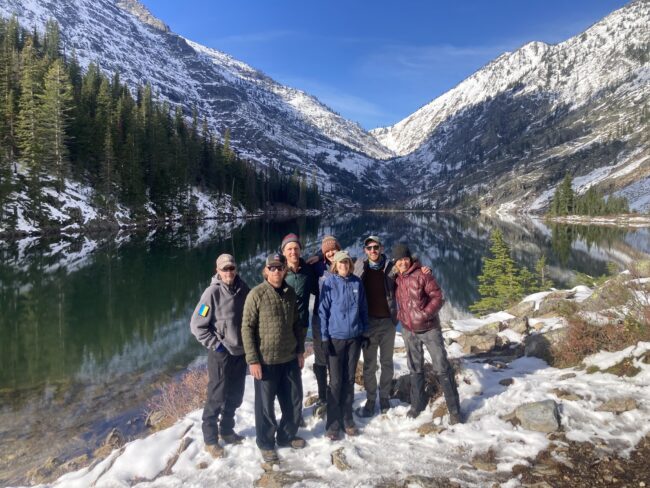
MEIC’s Ben Catton hiked with our partners to Rock Lake in the Cabinet Mountains Wilderness. Rock Lake is at risk of dewatering as the ore body for the Montanore mine lies underneath the lake.
This article was published in the December 2025 issue of Down To Earth.