(Online – Zoom Webinar) — “Forever chemicals” or PFAS are increasingly concerning in our waterways, food, and even our bodies. Following PBS Montana’s shocking story revealing that our Montana state agencies withheld important information about widespread PFAS contamination, MEIC has gathered three experts to discuss what we know about PFAS in Montana, how we get exposed to these chemicals, and what can be done to prevent and remediate this pollution. We will also highlight opportunities to speak up, including comment opportunities at the Montana Legislature Environmental Quality Council meeting on July 14; proposed rule rollbacks from the EPA with a comment deadline of July 20, and the upcoming Montana legislative session.
There will be an opportunity for questions. This event will be recorded and posted online.
When: Thursday, July 9, 2026 from 12:00 – 1:00 pm.
Zoom Information:
Time: Jul 9, 2026 12:00 PM Mountain Time (US and Canada)
Join Zoom Meeting
https://us06web.zoom.us/j/89533774970
Meeting ID: 895 3377 4970
Background:
PFAS stands for per- and polyfluoroalkyl substances. They are a large family of man-made chemicals often used to
make products stain-resistant, waterproof, and non-stick. Because of their virtually unbreakable carbon-fluorine
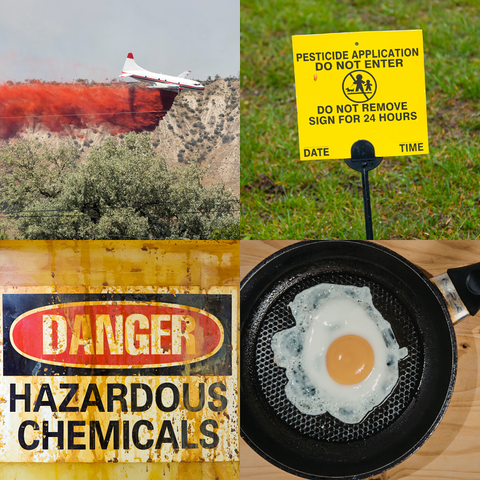
bonds, they persist indefinitely in the environment and are often called “forever chemicals.” PFAS exposure can lead to increased risk of certain cancers (such as kidney or testicular cancer), liver and kidney damage, immune system suppression, developmental effects in infants and complications during pregnancy.
Studies have found widespread PFAS contamination in popular fisheries like the Fort Peck Reservoir, the East Gallatin, the Yellowstone River, and many more. While state agencies updated the Montana Sport Fish Consumption Guidelines in April 2026, much of this information was known – but not made available – during the 2025 Montana legislative session. The Montana Legislature’s Environmental Quality Council will discuss the alarming findings on PFAS in fish tissues on July 14th. At the federal level, the Trump-led Environmental Protection Agency is rolling back rules that protect the public from PFAS and an important window to comment on these rule changes ends on July 20th.
Panelists:
- Dr. Jamie DeWitt, Oregon State University
- Jamie DeWitt is Director of the Pacific Northwest Center for Translational Environmental Health Research and Professor of Environmental and Molecular Toxicology at Oregon State University. Her laboratory research program explores effects of environmental contaminants on the immune system, with a focus on the adaptive immune system and antibody responses. She is especially interested in emerging or understudied contaminants, including per- and polyfluoroalkyl substances (PFAS) and serves as a plaintiff’s expert witness in cases concerning PFAS. She featured in the recent PBS Impact episode titled “Investigating ‘Forever Chemicals’ in Fish” that brought to light the extensive PFAS contamination in Montana fish populations.
- Dr. Kimberly Garrett, CUNY School of Public Health and Health Policy
- Kimbery Garrett is an assistant professor and environmental health researcher working at the intersection of environmental toxicology, public health, and environmental justice. Her work situates chemical toxicology within built, natural, and social environments. Her recent work focuses on per- and polyfluoroalkyl substances (PFAS) pollution and spatial distribution of PFAS sources, along with the sociological impacts of contamination.
- Avonna Stark, Clean Water Action
- Avonna became the Minnesota State Director of Clean Water Action Minnesota in November 2022, having worked in politics for almost two decades. Avonna received her bachelor’s degree in political science and history from the University of Minnesota Twin Cities and her master’s degree in political management and advocacy from The George Washington University in Washington, DC. With Avonna’s leadership, Minnesota became the first state to pass the most comprehensive PFAS bans in the world, known as Amara’s Law. Her work to bring industries, agencies, lawmakers, and advocates together has set an example for states across the country to pass similar legislation. As an advocate, Avonna strives to raise the voices of those who are typically left out of the political process.
Moderator:
- Ben Catton, Montana Environmental Information Center
- Ben Catton is a Policy Associate at MEIC. After seven years as a high school English and Spanish teacher, he earned a Masters in Public Administration from the University of Montana in 2023 and pivoted into policy work. Ben was MEIC’s point person for its legislative efforts on PFAS, plastics, and pesticides during the 2025 session.