by Derf Johnson and Katy Spence
Massive, mountain-top removal coal mine operations in the Elk Valley of British Columbia are causing what is likely the worst case of selenium pollution in the world — right here in Montana. These operations, currently owned and operated by international commodities trader Glencore, supply metallurgical coal to Asian furnaces for steel production. In the process of mining, Glencore generates an enormous amount of exposed rock and waste, and the water that runs off-site and into the Elk River is highly contaminated with selenium and other pollutants. The pollution ultimately travels downstream to the Kootenai River and Lake Koocanusa in Montana, causing these water bodies to regularly violate Montana’s site-specific water quality standards.
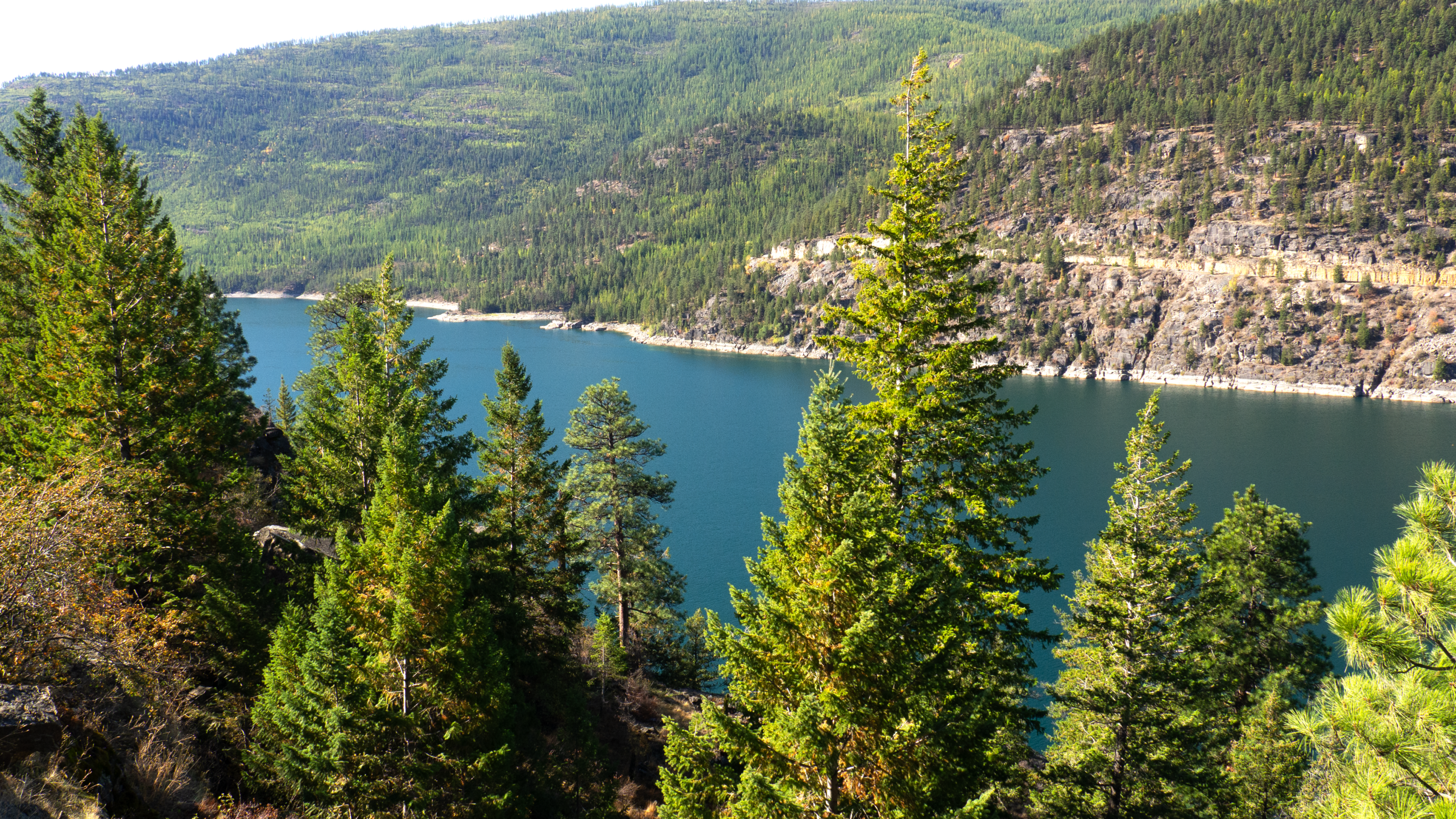
MEIC is part of an international coalition to address coal mining pollution in transboundary waters. Photo by Katy Spence.
Montana’s site-specific standards were adopted in 2020 after years of study, a rigorous scientific process, and lengthy stakeholder input. The standards were set to preserve the beneficial uses of the water bodies, including assuring that the fishery and aquatic life were protected from mining pollution. But instead of investing the necessary resources and planning into addressing the pollution problem, Glencore chose to continue pursuing a legal challenge to Montana’s selenium standard — attempting to invalidate it and potentially legitimize the high levels of pollution emanating from its mines. While this legal challenge ultimately commenced at the Montana Board of Environmental Review (BER), for the past year it has been litigated in Montana District Court in Helena.
Thankfully, in early April, the court issued an order which rebuked and dismissed Glencore’s legal challenge to Montana’s water quality standards for selenium. The impacted waterbodies are the traditional territory of the Confederated Salish and Kootenai Tribes, who spearheaded the establishment of Montana’s selenium standard.
The preservation of Montana’s selenium standard is a significant victory for clean water, as the environmental implications of continued and increasing selenium pollution in Montana’s water poses serious implications for Montana’s fishery. Excess levels of selenium can be lethal for fish and other aquatic life, which are especially critical resources for the economy and way of life in northwest Montana.
The decision is also well-timed. The U.S. and Canada, the transboundary Ktunaxa Nation (composed of Tribes and bands in British Columbia, Montana, and Idaho), the state governments of Idaho and Montana, and the Province of B.C. are currently participating in an International Joint Commission to address the pollution from Glencore’s mines. The draft report of the IJC is expected to be released in the fall for public comment, and so having added legal clarity surrounding Montana’s water quality standards — and what Glencore is expected to meet — will be critical.
While the district court order is still subject to appeal, it sends a strong message that Montana’s selenium water quality standards are legal and based on science. The next step is to implement and enforce these standards against those who continue to allow pollution of Montana’s waters. MEIC owes a debt of gratitude to Mary Cochenour, the skillful attorney who shepherded this case to victory.
Even as the IJC attempts to identify pathways to mitigate the selenium pollution emanating from Elk Valley coal mines, the province of B.C. is considering a proposed expansion of the Fording River Mine. The Fording River Extension (FRX) would expand the existing mountain-top removal coal mine by approximately 5,000 acres, which would exacerbate the damaging selenium pollution in Lake Koocanusa and the Kootenai/y watershed.
Following the lead of our Canadian partner organization Wildsight, MEIC and Idaho Conservation League helped gather more than 30 businesses and organizations to request the Canadian Minister of Environment and Climate Change to assign the project to a review panel that could better assess the cumulative impact of selenium pollution, especially in the context of the IJC’s work.
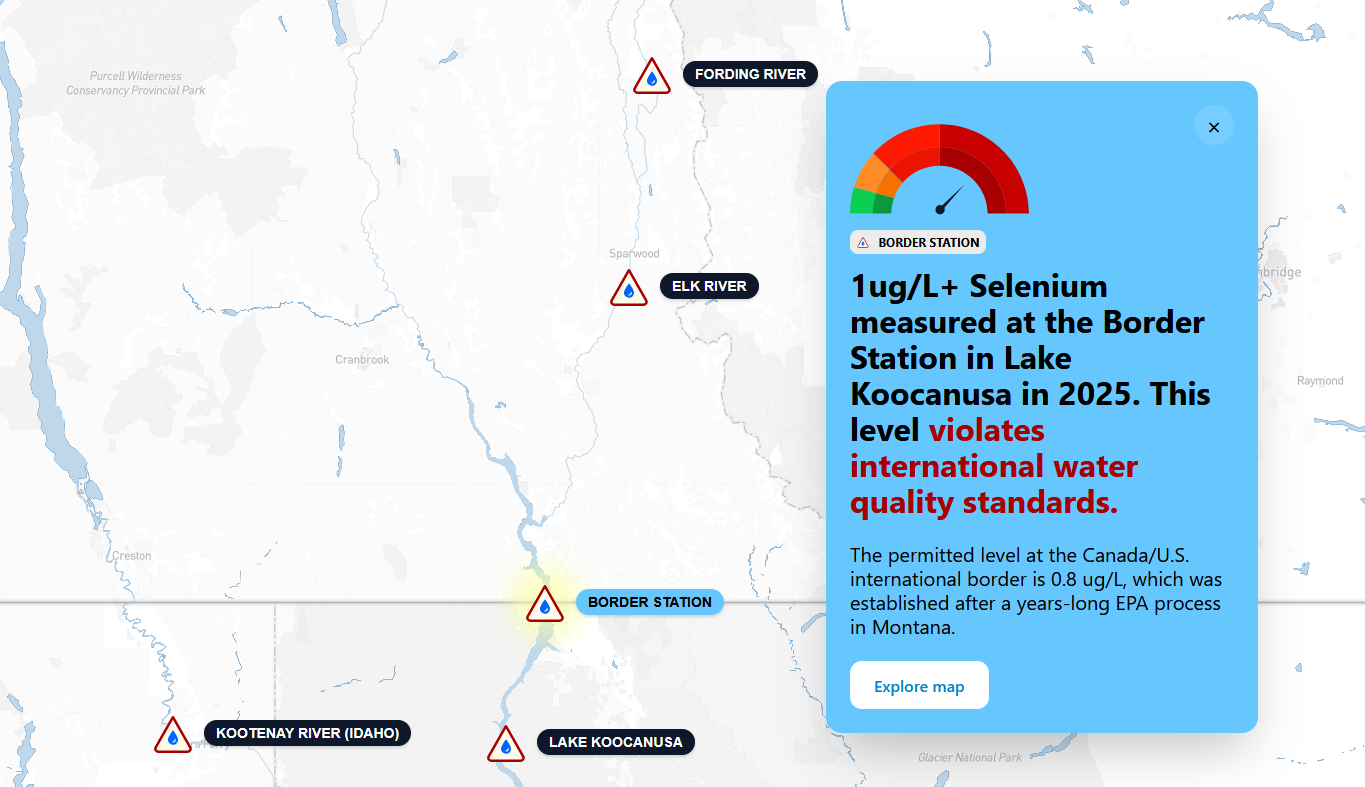
After our letter was submitted, the Confederated Salish and Kootenai Tribes and the Kootenai Tribe of Idaho also submitted letters requesting an independent review panel.
Without additional review, the province could make a decision that undercuts its own efforts to mitigate pollution, and MEIC will do everything we can to prevent that from happening.
MEIC has also been working with partners to create a website that tells the story of selenium pollution. Visit this website to track water quality on a map, read scientific studies, and media from the U.S. and Canada tracking developments in this decades-long, ongoing story. Visit the website: www.elkkootenaypollution.ca
This article was published in the June 2026 issue of Down To Earth.