by Anne Hedges
The attacks keep coming. Elimination of public health protections. Giving taxpayer money to the fossil fuel industry. Dismantling climate change regulation. Utility gaslighting of public concerns about data centers. The list goes on and on. At MEIC, we do what we can every day to fight back, to protect our constitutional rights, to protect our kids, and to defend this place we call home. Some days it can feel overwhelming. But every day, it feels like resistance is not an option; it is an obligation and a privilege.
This issue of Down to Earth is chock-full of MEIC’s acts of resistance. When MEIC asks the PSC to hold our state’s largest utility accountable, we do it to protect our land, air and water, and we do it to protect Montanans who shouldn’t have to suffer for the greed of corporate executives and their shareholders. When we take the PSC or government agencies to court for failing to follow the law, we do so to advance these same values. MEIC’s staff work to protect public lands and water from the devastation of mines like the one in the Cabinet Mountains that would undermine one of the nation’s first wilderness areas and the cultural and spiritual values it has provided to endless generations of Indigenous people, as well as the wildlife that depend on a healthy ecosystem. The list goes on.
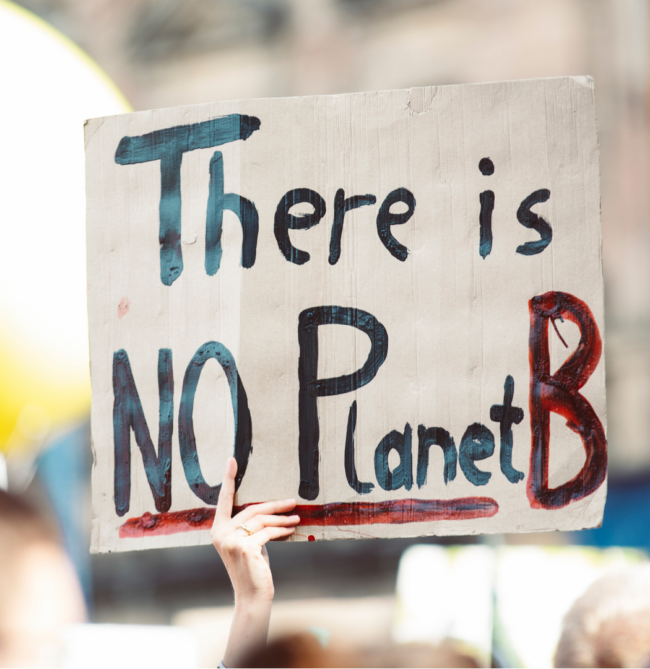
MEIC doesn’t engage in these battles willy-nilly. Thanks to a strategic and dedicated board of directors, resolute staff, and you, our steadfast members, we stay mission-focused and are always ready to defend our right to a better world.
That’s why it’s so disappointing when, with all of the battles before us, some people choose to publicly lash out against their historic allies. Recently, a well-known political writer and former activist attacked MEIC for supporting a new transmission line in eastern Montana (see article on pg. 18). It’s easy to be against something, but it’s important to also be in favor of solutions that will advance decarbonization goals. To compare MEIC’s qualified and well-researched support for a long-overdue transmission line in eastern Montana to a 1971 plan to build dozens of coal-fired power plants in eastern Montana is not only divisive in today’s political landscape, it also demeans the accomplishments of those who successfully defeated the colossally misguided 1971 plan.
The truth is that our current transmission system is antiquated. It is no longer adequate for serving today’s diversified energy system in a state whose population has grown by more than 40% since 1970 (in a country whose population has grown by more than 60% during that same timeframe). A more efficient, expansive, and modernized grid is essential to decarbonizing the energy system. Every energy-focused conservation organization in the West agrees that we must modernize our 20th century grid so it can better transport clean energy. MEIC strongly supports energy efficiency and small-scale clean energy projects; but decarbonization on the scale and in the timeframe necessary to address the climate crisis requires large-scale solutions as well, and those solutions start with a better grid.
As we face federal deregulation of air and water pollution protections and fast-tracking of fossil fuel and hardrock mining projects — not to mention attacks on our rights of free speech and peaceful protest from unaccountable secret police — we cannot afford to spend time fighting with friends. If we are to address all the crises we face, we must do it together.
This article was published in the March 2026 issue of Down To Earth.
Read full issues of Down to Earth here.