by Ben Catton
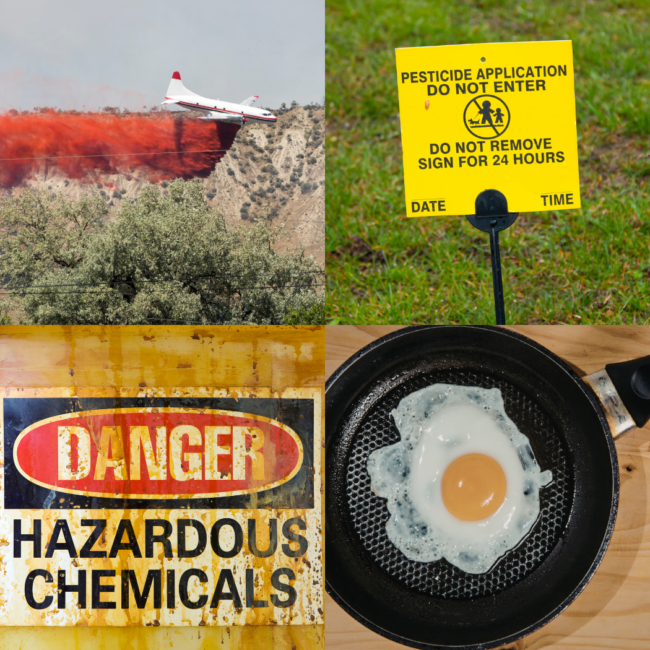
Since adoption in 1976 and its strengthening in 2016, the Toxic Substances Control Act (TSCA) has helped keep dangerous chemicals out of our air, water, and soil. TSCA is popular, with a recent national poll finding that 82% of likely voters favor the law. TSCA requires chemical manufacturers to provide sufficient evidence so the Environmental Protection Agency (EPA) can determine the safety of a product before it enters the market. This important first line of defense shields the public from bearing the health and environmental costs of serving as chemical-industry guinea pigs.
Alarmingly, proposed changes to TSCA seek to flip the law on its head and assume that chemicals are safe until proven harmful. The weakening of public health safeguards makes it less likely that communities will stay safe from chemical exposure that lead to tragic, and expensive, public health consequences.
TSCA is more important than ever as industries that like to “move fast and break things” try to rush unproven chemical technologies forward. Big Tech is experimenting with new closed-loop cooling technologies for artificial intelligence (AI) data centers (see article on pg. 8). AI computer servers heat up as they do computational work, and if servers are not kept cool, their performance deteriorates. Air cooling is ineffective for the newest, high-powered AI chips. Fluids can transfer heat far more efficiently than air, but data center developers are facing public backlash over their massive water use.
Closed-loop cooling systems can significantly reduce data center water needs; however, the tradeoff may be that the millions of gallons of fluids in a “closed-loop” are full of toxics. Fluorinated compounds (like PFAS) can transfer heat without conducting electricity, making them suitable for direct contact with electronics. Corrosion inhibitors and biocides are used to protect water-based cooling systems.
In September 2025, the EPA initiated a fast-track priority review for novel chemicals utilized for data centers. They can now jump the EPA queue and get expedited approval. This action was taken to comply with the Trump Administration’s 2025 Executive Order “Accelerating Federal Permitting of Data Center Infrastructure.”
It’s important to note that the EPA was dramatically downsized in 2025, losing at least one-fifth of its workforce, including the dismantling of the Office of Research and Development which studied how toxic substances move through air and water. Their work informed legal standards for pollutants and cleanups in circumstances such as this.
The proposed changes to TSCA could undermine states’ abilities to regulate harmful substances. States have led the way in regulating PFAS and other toxic substances because they also have to shoulder the public health impacts and the high costs of remediation. For example, the city of Kalispell currently needs an $18 million investment in new wells and water transmission to shield the public from PFAS contamination. The source of Kalispell’s drinking water contamination is currently unknown.
MEIC, alongside a coalition of environmental and consumer advocacy groups, is pushing Congress to reject chemical industry’s wishlist of changes to TSCA. Montanans should reach out to their congressional representatives and urge them to reject this harmful rollback.
This article was published in the March 2026 issue of Down To Earth.