By: Katie O’Reilly, Sierra Magazine
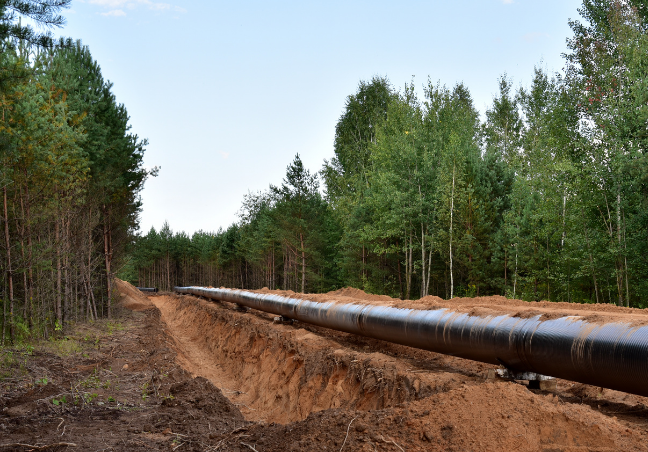
Some have nicknamed it “Keystone Light.” But this fossil fuel pipeline, if it becomes a reality, would not be small by comparison.
If approved, the newly proposed expansion of the Bridger Pipeline through Montana would transport 1,047,000 barrels of tar sands oil—a heavy crude that’s among the most environmentally destructive of fuels—per day. Years of opposition, including Indigenous and environmental movements, slowed down the construction of Keystone XL, only to see it come back to life across successive administrations, leading some to call it a “zombie project.” Then in 2021, President Biden canceled Keystone XL for good on his first day in office.
The Bridger Pipeline is the latest attempt to revive Keystone XL now that Donald Trump is in power.
Bridger would be capable of sending up to 1.13 million barrels daily of Albertan bitumen-derived oil flowing through Montana toward a yet-undisclosed location (presumably the Gulf Coast). Opponents argue that the project would threaten local ecosystems, endanger Indigenous lands and key watersheds, and contribute to the greenhouse gas emissions fueling the climate crisis.
On April 30, Trump issued presidential authorization for the pipeline’s construction and maintenance across the international boundary between Phillips County, Montana, and Canada. The president approved the required cross-border permit without completing an environmental analysis, nor consulting with tribes that would be impacted.
“It’s all risk and no reward for Montana,” said Shannon James, campaigns and advocacy director with the Montana Environmental Information Center. “Pipelines break—it’s not a question of if, but when. And when they do, it’s Montana’s fishing and agricultural economies that pay the price.”