
Generative AI has the potential to replace jobs currently filled by humans, at a large energy and water cost.
by Katy Spence
By now, it seems impossible to avoid “smart” features in internet-powered devices. Often powered by artificial intelligence (AI), many of these features seek to make our lives easier. But more advanced AI takes a toll on our water resources, our energy bills, our rights, and even our brains.
Known as “generative AI” or “gen-AI,” some AI platforms are able to generate images, imitate human speech, read and write emails, or even have chat conversations with humans on the other end. The intensive computing demand of gen-AI relies on data centers, which are a climate, water, and energy disaster (see article on pg. 5).
Many data centers use drinking-quality water to keep computers cool, pulling water from nearby residents. Large data centers can consume up to five million gallons of water each day, which is enough water to support a town of up to 50,000 people, according to the Environmental and Energy Study Institute. A new Cornell study estimates the number could increase to as much as 1.1 billion cubic meters of water in the U.S. annually. The Cornell study also found that if AI continues to grow at its current pace, U.S. data centers could emit 24 to 44 million metric tons of carbon dioxide into the atmosphere every year by 2030, which is the equivalent to emissions from up to 10 million cars.
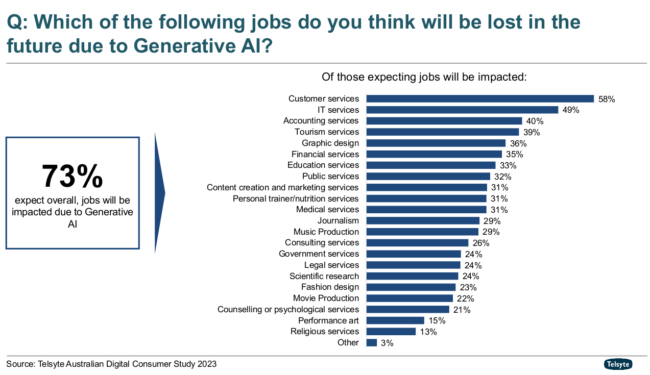
Beyond the devastating impacts to water and energy, gen-AI is having an impact on humans. Many corporations are incentivized to adopt gen-AI features to replace human workers, especially in areas of online customer service or content creation. CBS News reports that 10,000 jobs were cut in July 2025 alone due to adoption of gen-AI, without enough jobs being created to replace them.
Gen-AI models can create images and write text because they were trained using art and content created by humans often without permission from or compensation to the original creators. Countless publications, music labels, TV studios, and more have entered into litigation with AI companies, but many individual artists and writers may not have the resources to seek retribution for unauthorized use of their creations. You might be a victim of this, too: your email, cloud storage, and even video conferencing software may offer “AI” or “smart” features that rely on reading your email, consuming your photos, and capturing your likeness and voice on video, all without needing your permission.
At MEIC, we are fighting this battle on multiple fronts: pushing back against unneeded and unwanted data centers, as well as asking for our state regulators to study — and regulate — their impacts. MEIC staff are attempting to opt-out of gen-AI features where we can. As consumers, we should be able to turn off AI features when we don’t need or want them, especially if they are harming our water, our climate, and our privacy.
To cap it all off, researchers at MIT have found that consistent use of ChatGPT (a popular gen-AI platform) can decrease brain function; it’s easy to ask a computer to do the thinking or drawing for you, but without consistent use, brain function declines quickly. This is one technology we should approach cautiously.
This article was published in the December 2025 issue of Down To Earth.