by Nick Fitzmaurice
We can’t decarbonize the energy system without improving the transmission backbone of the electric grid. The North Plains Connector is a transmission project aiming to do just that, and its development is moving ahead with the release of a draft Environmental Impact Statement (EIS). Greater grid connectivity between geographic regions means that clean and affordable wind and solar power can reliably supply energy where and when it is needed. While the wind doesn’t always blow and the sun doesn’t always shine in any given location, these resources will always be available somewhere, as long as there are transmission lines to move the power to where it is needed.
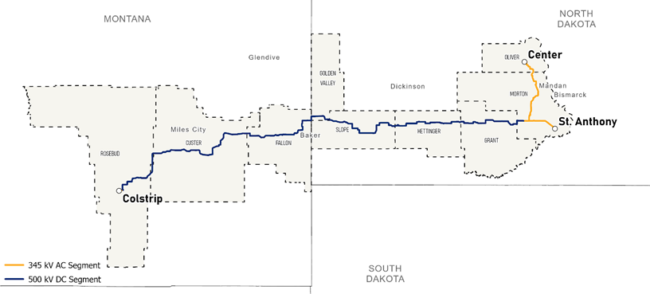
The North Plains Connector will connect the western and eastern grids of the U.S. between Montana and North Dakota, tying into Montana’s existing transmission backbone at the Colstrip.
MEIC has been creating the conditions for improving Montana’s electric transmission infrastructure for years, including most recently achieving major legislative successes in 2025, supporting planned transmission upgrades in Montana from the Bonneville Power Administration, and continuing to engage in the legislature’s Energy and Technology Interim Committee and the Governors’ Energy Task Force (see article on pg. 20). MEIC also helped fund a study this past year examining transmission needs for improving Montana’s connection to other states in the West. The North Plains Connector is an essential component of the transmission solutions explored in this study, which can be accessed from MEIC’s website.
The North Plains Connector is a particularly important transmission project because it will connect the western and eastern grids of the U.S. between Montana and North Dakota. It will allow for an additional 3,000 megawatts (MW) of power transfer between the eastern and western grids compared to the measly 200 MW connection that currently exists between Montana and North Dakota. A number of utilities have expressed interest in owning portions of this line, including NorthWestern Energy, which announced a memorandum of understanding in 2024 indicating its intention to own 10% of the line, or 300 MW. This will help supply Montana’s peak energy needs, allowing lowest-cost renewable energy to outcompete expensive fossil fuel resources and prevent the overbuilding of expensive generation infrastructure in Montana. Connecting Montana to the eastern grid will not only facilitate more efficient access to the lowest-cost energy resources at any given time, such as North Dakota’s complementary wind resource, but it will also establish an extra layer of resilience to our energy system in the most extreme weather conditions.
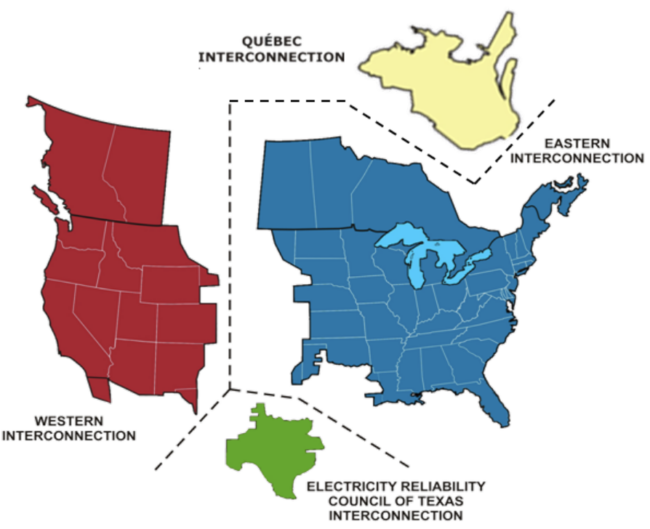
Building major interstate transmission lines is no easy task, which is why we’ve found ourselves with an aging electric grid in major need of upgrades and increased connectivity. Luckily, Grid United, the project developer for the North Plains Connector, has done the important work up front by proactively engaging with communities and landowners along the planned transmission corridor to gain local support for the project. The Montana Department of Environmental Quality and the U.S. Department of Energy released the draft EIS for the project in January, hosting public meetings and accepting written comments through February. The EIS is an important milestone in the project’s development to anticipate and mitigate potential environmental impacts.
Alongside a robust analysis of potential environmental impacts and strategies for mitigation, the EIS detailed the preferred route for this transmission project, responding to landowner concerns and minimizing potential impacts identified in the development of the EIS. One such consideration is the assessment and avoidance of critical habitat areas along the project corridor, which has been addressed in the EIS with the preferred route.
Construction of the North Plains Connector is on track to begin in 2028, with plans to begin moving power on the line in 2032.
This article was published in the March 2026 issue of Down To Earth.