
Montana Environmental Information Center
Clean and healthful. It's your right, our mission.

Montana Coal Facts

Below you will find information on MEIC's coal work and a broad overview of Montana coal facts. MEIC works vigorously to reduce the use of dirty coal in Montana and implement a thoughtful transition to renewable and clean energy sources. Our coal program works to address all parts of the coal cycle, from mining, to transportation, to burning and disposal. Coal is a major industrial polluter of air toxins and greenhouse gases, damages our water quality during mining, and puts undue strain on Montana communities as the volume of coal train traffic steadily increases.


Coal Mining in Montana

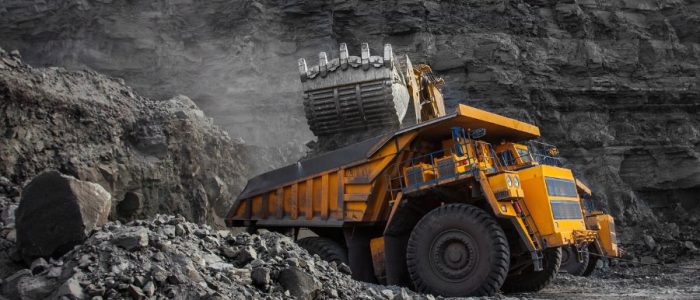
Developers are increasingly looking to coal in Montana for mining because of our vast coal reserves and potential for export. MEIC is working hard to prevent the development of new coal mines and stop the expanion of expansion of existing mines.


Coal Exports

As demand for coal wanes with the recognition that burning coal is extremely costly for public health and the environment, developers are increasingly looking towards export of coal in Montana to maintain their profits.


Coal Burning Pollution

Burning coal pollutes our air, our water, and our land and releases greenhouse gases. MEIC works hard to account for the true costs of burning coal - from climate change, to the associated health effects.


Coal Ash

After coal is burned to generate electricity, it leaves behind a toxic waste ash. The coal ash contains chemicals like arsenic, lead, and selenium. This toxic waste is disposed of, often in open-air pits, where it frequently spills or seeps into the groundwater.


Otter Creek Coal Tracts

When the State Land Board leased Montana’s share of the 1.3 billion tons of coal in the Otter Creek drainage, it failed miserably in weighing the environmental and economic consequences of the lease or to consider any alternatives that might be more beneficial to the State.